
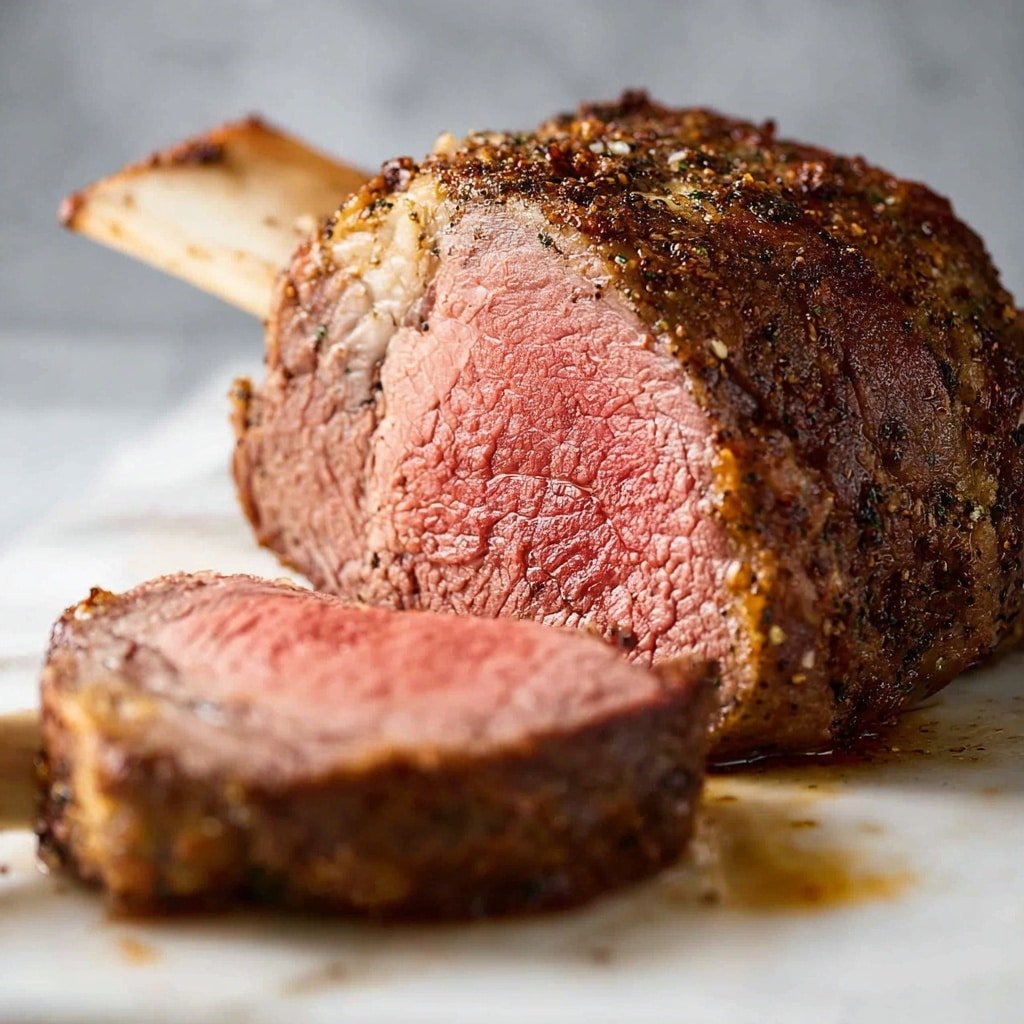
I have to confess — prime rib holds a special place in my heart. There’s something magical about the aroma of roasting beef mingling with fresh herbs and garlic that instantly takes me back to the holidays when family gathered around the table, sharing laughs and stories. The Juiciest Oven-Roasted Prime Rib with Garlic Herb Butter and Red Wine Sauce Recipe never fails to impress, whether it’s a casual Sunday dinner or a celebratory feast. I remember the time I made this for my friends, and everyone kept asking for seconds — the rich garlic herb butter and that luscious red wine sauce really elevate the whole thing.
Why This Recipe Shines
- Flavor Harmony: The garlic herb butter seeps deep, balancing the meat’s richness with fresh aromatics and a hint of saltiness.
- Easy Assembly: Minimal prep and clear steps make this technique approachable, even if you’ve never roasted a standing rib before.
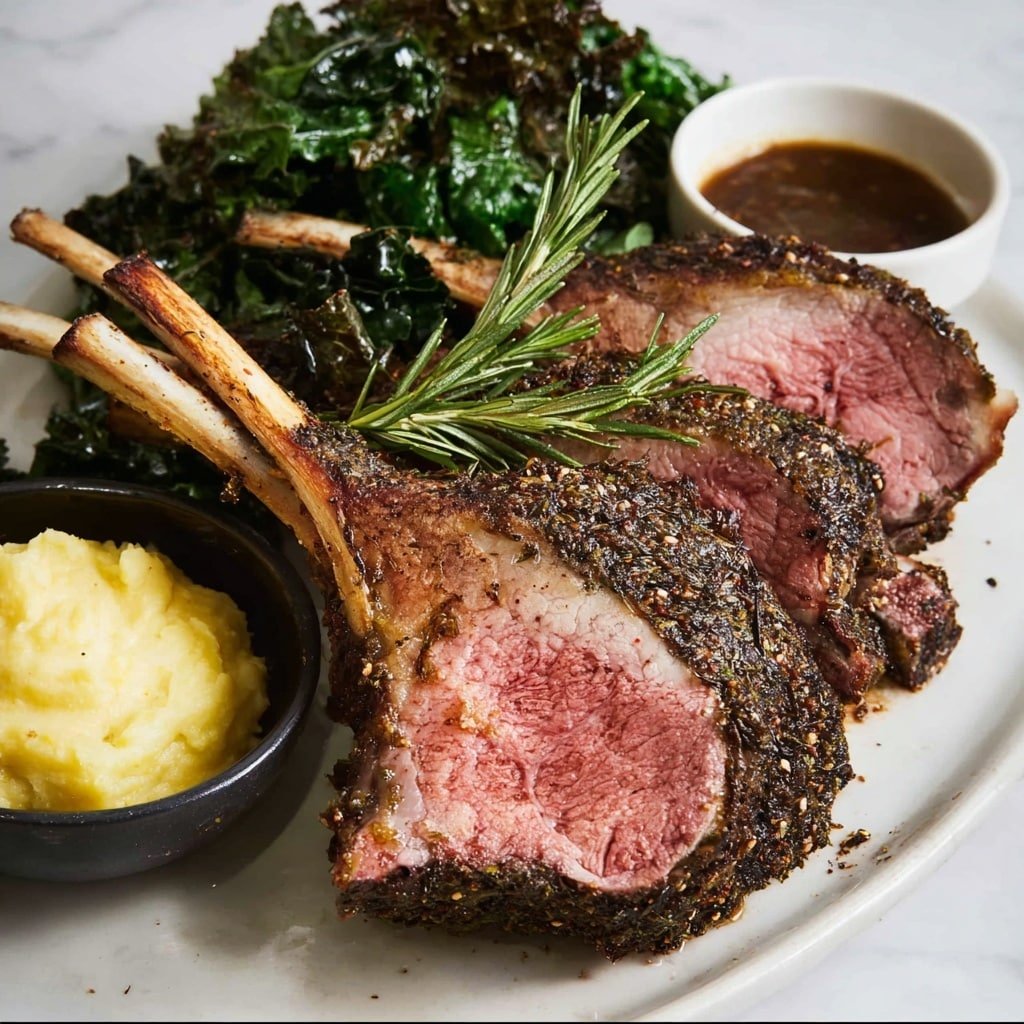
- Texture Play: A crisp, golden crust envelops a tender, juicy interior with beautiful pink hues throughout.
- Showstopper Finish: The homemade red wine sauce brings everything together with silky depth and a touch of acidity.
What truly sets this Juiciest Oven-Roasted Prime Rib with Garlic Herb Butter and Red Wine Sauce Recipe apart is the roasting method. By starting with a high heat to get that gorgeous sear and then slowing it down to a gentler temperature, you get perfectly even cooking — no gray edges here. The butter keeps the meat luscious and packed with flavor, and the slow roasting leaves you plenty of time to relax or prep your sides while the oven does its magic. If you love that hearty, savory roast beef aroma filling your kitchen and want a dish that looks elegant but feels comforting, you’re in the right place.
Don’t worry if you’ve never tackled a prime rib before — I’ll walk you through each step, from prepping the butter to roasting and even whipping up the red wine sauce that makes it restaurant-quality. You’ll want to make sure you have a meat thermometer (trust me on this one!), and by the end, you’ll be slicing through the juiciest roast beef with confidence. Let’s get started!
Ingredients You’ll Be Working With
Careful measuring will help you nail the balance of flavors in the Juiciest Oven-Roasted Prime Rib with Garlic Herb Butter and Red Wine Sauce Recipe — make sure to check the recipe card for exact quantities. Let’s break down the ingredients and their purpose so you feel ready from the start.
- Standing rib roast / prime rib, bone in: The star of the show; bone adds flavor and helps even cooking. If you prefer, a boneless ribeye roast works too but watch cooking time.
- Onion, unpeeled and quartered: Creates a natural roasting bed, adds subtle sweetness and lifts the beef from direct pan heat.
- Garlic head, unpeeled and halved: Roasts to mellow, sweet garlic that infuses the pan juices.
- Fresh thyme and rosemary sprigs: Classic herbs that impart earthy, piney notes to complement beef.
- Unsalted butter, softened: Forms the base of the garlic herb butter; unsalted gives you control over seasoning.
- Garlic cloves, minced: Boosts savory depth, fresh garlic is a must here.
- Salt: Essential for seasoning and enhancing meat flavor; use kosher or coarse salt if you can.
- Black pepper: Adds mild heat and contrasts the richness of butter.
- Beef broth (low salt): Forms the liquid base of your red wine sauce.
- Dry red wine: Choose one you’d enjoy drinking; it enriches the sauce with fruity, tannic complexity.
- Cornflour (optional): Thickens the sauce slightly for a luscious finish; you can skip if you prefer a lighter jus.
If you need to swap, bone-in roast can be replaced with a boneless ribeye roast keeping a close eye on cooking times. For the herbs, dried versions can do in a pinch, but fresh really shines here. Low sodium broth helps keep the sauce balanced, and feel free to omit wine for a beefy gravy alternative.
Chef’s Note
You’ll find the complete list of ingredients with exact measurements in the printable recipe card at the bottom of this post.
Tools You’ll Need
- Oven-proof skillet or roasting pan: Provides a stable bed for the roast and collects flavorful pan juices.
- Meat thermometer: Crucial for that perfect doneness—don’t guess, measure!
- Mixing bowl: To make your garlic herb butter smoothly.
- Brush or spatula: For evenly spreading the butter all over the roast.
- Sharp carving knife: To slice your roast cleanly and beautifully after resting.
- Saucepan: To reduce the red wine sauce on the stove top.
How to Make Juiciest Oven-Roasted Prime Rib with Garlic Herb Butter and Red Wine Sauce Recipe
Ready to roast? This recipe is all about layered flavors and slow, even cooking. I’ll guide you from prepping your beef to serving that silky sauce — step by step.
- Bring the beef to room temperature: Take your standing rib roast out of the fridge 2 to 3 hours before cooking. This step helps it cook evenly, so no surprises inside. Pat it dry with paper towel to ensure a crisp crust.
- Preheat the oven: Set your oven to 240°C/460°F (220°C fan). Position your oven rack so the roast will sit comfortably in the middle.
- Mix your garlic herb butter: In a bowl, combine the softened butter with minced garlic, fresh rosemary, thyme, salt, and black pepper. This fragrant butter will be your flavor base.
- Prepare the roasting bed: Scatter the unpeeled quartered onion, halved garlic head, and fresh herb sprigs evenly in your skillet or roasting pan. This keeps the roast elevated and infuses the pan juices.
- Slather layer one: Spread a thin coating of garlic herb butter on the underside (bone side) of your roast, then place it atop the onion and garlic bed, butter side down. Next, spread about two-thirds of the remaining butter all over the top and sides of the roast.
- Roast at high heat: Pop the roast into the preheated oven for 20 minutes. This high heat jump-starts the crust development for a beautiful sear and color.
- Slather layer two and lower the heat: Take the roast out and spread the remaining garlic herb butter on top. Reduce the oven temperature to 120°C/250°F (100°C fan) for the slow roast.
- Slow roast to perfection: Return the roast to the oven and cook for about 1½ hours, basting every 30 minutes with the juices from the pan. Start checking the internal temperature early—aim for 51°C (123.8°F) in the thickest part for medium rare.
- Rest the meat: Remove the roast and loosely cover it with foil. Let it rest for 20 to 30 minutes; the internal temperature will rise to 56-58°C (133-136.4°F), yielding juicy, tender slices.
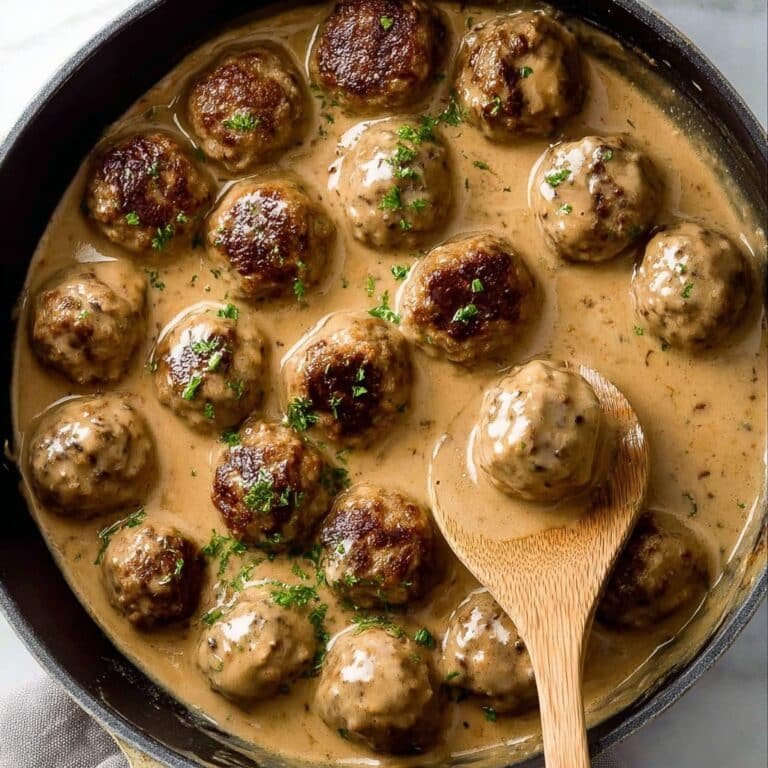
- Make the red wine sauce: Place your skillet with the onion and garlic back on high heat. Add red wine and beef broth, simmer rapidly until reduced by two-thirds (~10 minutes). Lower heat and stir in cornflour mixed with water if you want a thicker sauce. Strain the sauce and serve it warm alongside the roast.
Kitchen Wisdom
- Tip 1: Always use a meat thermometer for accurate doneness—don’t rely on time alone.
- Tip 2: The resting period is crucial; it allows juices to redistribute for optimal juiciness.
- Tip 3: Basting every 30 minutes adds flavor and helps maintain a moist crust.
- Tip 4: Use unsalted butter so you control the saltiness; the roast will absorb enough seasoning from the herbs and salt added later.
How to Serve
Flavor Boosters
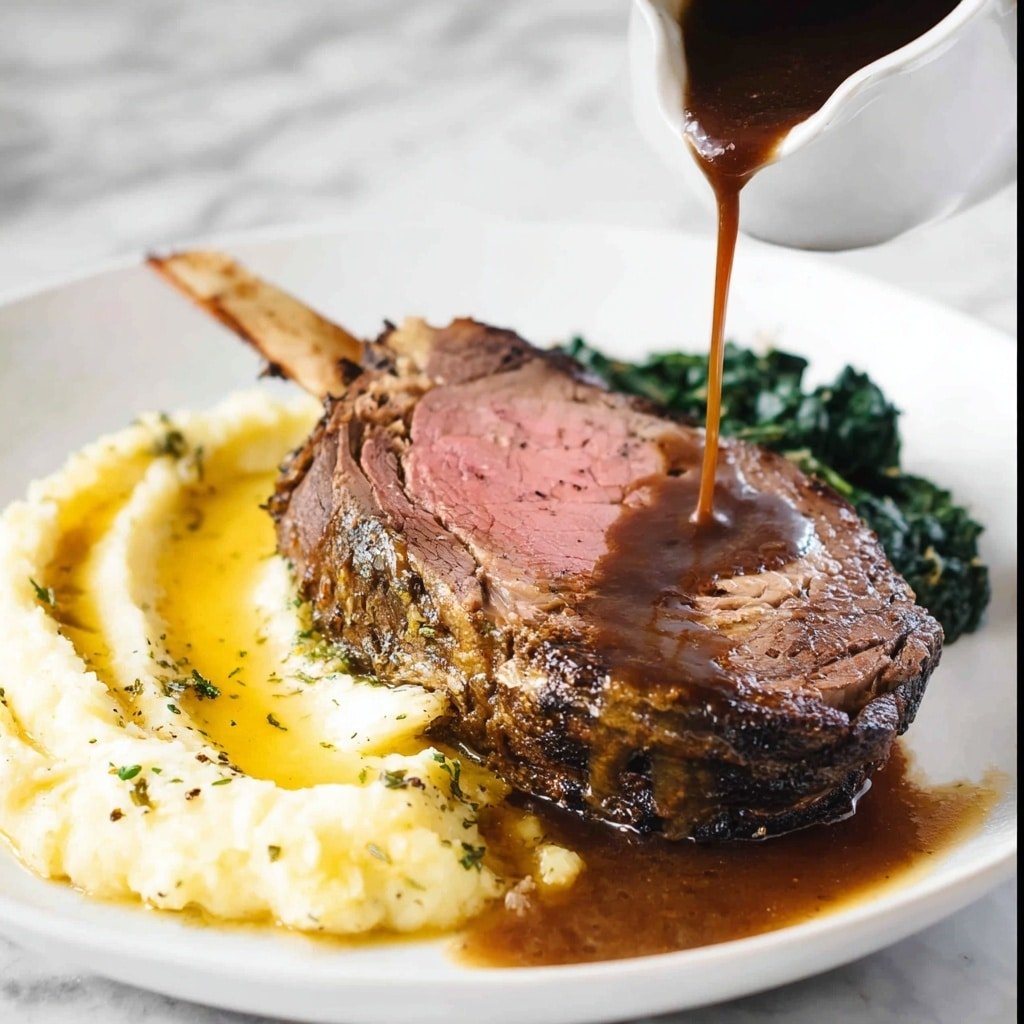
Elevate your Juiciest Oven-Roasted Prime Rib with Garlic Herb Butter and Red Wine Sauce Recipe by finishing with freshly chopped herbs sprinkled on top or a dollop of horseradish cream for some heat. A sprinkle of flaky sea salt right before serving brings the crust to life. Don’t be shy with the garlic sautéed spinach or Paris mash on the side to soak up those luscious pan juices and sauce.
Perfect Pairings
This roast loves a full-bodied red wine like Cabernet Sauvignon or Merlot, which complement the rich beef and red wine sauce beautifully. For sides, classic roasted root vegetables, creamy mashed potatoes, or a fresh arugula salad with lemon vinaigrette provide balance. If you want a lighter option, steamed green beans with garlic also work wonders.
Presentation Touches
Carve your prime rib into thick, even slices and arrange them fan-style on a warmed platter. Pour a bit of the red wine sauce over the slices right before serving to showcase that gorgeous glossy finish. For gatherings, bring the pan juices in a gravy boat so guests can add as much as they like. Leftovers make an epic roast beef sandwich with rye bread and mustard—just slice thin and enjoy!
Variations & Easy Swaps
- Dairy-free option: Swap butter for a plant-based spread or olive oil mixed with garlic and herbs.
- Flavor boost: Add a hint of smoked paprika or mustard powder into the herb butter for smoky warmth.
- Herb swap: Use fresh oregano, sage, or marjoram in place of thyme or rosemary for a different herbal aroma.
- Wine-free sauce: Skip the red wine and use extra beef stock with a splash of balsamic vinegar for acidity.
- Boneless roast: Use a boneless ribeye; just reduce roasting time and check internal temperature early.
Make-Ahead, Storage & Reheating
- Make the roast a few hours ahead and keep warm covered with foil for up to 1 hour before serving.
- Leftover prime rib keeps best refrigerated whole and sliced just before reheating to maintain moisture.
- Reheat gently in a low oven (120°C/250°F) for 10-15 minutes, or microwave thin slices briefly—watch so it stays pink inside.
- Store leftover sauce separately in an airtight container in the fridge for up to 3 days; gently reheat on stove before serving.
FAQs
Q: Can I use a boneless prime rib roast for this recipe?A: Yes! Boneless will cook faster and you should start checking the internal temperature about 30 minutes earlier to prevent overcooking.
Q: What if I don’t have fresh herbs?A: Dried rosemary and thyme can be substituted at about one-third the amount of fresh. They won’t be as bright, but still delicious.
Q: How do I know when the prime rib is done?A: Use an instant-read meat thermometer. Pull it out at 51°C (123.8°F) for medium-rare, then rest. The temp will rise slightly to the perfect doneness.
Q: Can I prepare the garlic herb butter ahead of time?A: Absolutely, you can make it up to a day in advance and keep it covered in the fridge. Bring to room temp before using.
Q: What’s the best way to store leftover prime rib?A: Keep it whole or sliced in an airtight container in the fridge for up to 3-4 days. Reheat gently to keep it tender and juicy.
PrintJuiciest Oven-Roasted Prime Rib with Garlic Herb Butter and Red Wine Sauce Recipe
This Beef Standing Rib Roast, also known as Prime Rib, is the ultimate roast beef experience, known for its juicy, tender, and flavorful meat. The roast is generously coated in a fragrant garlic herb butter, then slow-roasted in the oven to ensure even cooking and a perfect medium-rare doneness. Served with a rich red wine sauce, this prime rib is ideal for special occasions or an indulgent family meal.
- Prep Time: 10 minutes
- Cook Time: 2 hours
- Total Time: 2 hours 10 minutes
- Yield: 6 – 8 servings
- Category: Mains
- Method: Roasting
- Cuisine: Western
Ingredients
Beef and Roasting Bed
- 2.5 kg / 5 lb standing rib roast / prime rib, bone in
- 1 onion, unpeeled, quartered (brown, yellow, white)
- 1 head of garlic, unpeeled, halved horizontally
- 5 sprigs thyme
- 3 sprigs rosemary
Garlic Herb Butter
- 150g / 10 tbsp unsalted butter, softened
- 5 garlic cloves, minced
- 2 tsp finely chopped fresh rosemary (or 1 tsp dried)
- 2 tsp finely chopped fresh thyme (or 1 tsp dried)
- 2 tsp salt
- 1 tsp black pepper
Red Wine Sauce
- 1 1/2 cups beef broth/stock, low salt
- 2 1/2 cups dry red wine
- 1 tbsp cornflour/cornstarch (optional)
Instructions
- Prepare Beef: Remove the beef from the fridge 2 to 3 hours prior to cooking to bring it to room temperature for even cooking. Pat dry the roast with paper towels to remove excess moisture.
- Preheat Oven: Set your oven to 240°C/460°F (220°C fan) and position the rack so the beef will be centered in the oven.
- Make Garlic Herb Butter: In a bowl, mix softened butter with minced garlic, chopped rosemary, thyme, salt, and black pepper until well combined.
- Prepare Roasting Bed: Place the quartered unpeeled onion, halved garlic head, and fresh thyme and rosemary sprigs in a heavy-based ovenproof skillet or roasting pan to serve as a bed for the roast.
- First Butter Slather and Placement: Spread a thin layer of the garlic herb butter on the underside (bone side) of the roast. Place the roast on the prepared bed, butter side down. Spread about two-thirds of the remaining butter on the top and sides of the beef, reserving some for later.
- Initial High-Temperature Roast: Roast the beef in the hot oven for 20 minutes to develop a crust.
- Second Butter Slather and Temperature Reduction: Remove the beef and spread the remaining butter evenly over the top and sides. Reduce oven temperature to 120°C/250°F (100°C fan).
- Slow Roast: Continue roasting for approximately 1 1/2 hours, basting with pan juices every 30 minutes. Begin checking the internal temperature early, aiming for 51°C (123.8°F) for medium-rare.
- Rest the Roast: Remove the roast from the oven, transfer to a plate, and tent loosely with foil. Let it rest for 20 to 30 minutes to allow the internal temperature to rise to 56-58°C (133-136.4°F) and for juices to redistribute.
- Slice and Serve: Carve the prime rib and serve with the prepared red wine sauce, and optionally Paris Mash and Garlic Sautéed Spinach for a complete steakhouse-style meal.
- Prepare Red Wine Sauce: Place the skillet with onion, garlic, and herbs on the stovetop over high heat. Add red wine and beef broth, bring to a rapid simmer and reduce by about two-thirds (to approximately 1 1/2 cups) over 10 minutes.
- Thicken Sauce (Optional): Lower heat to medium. Mix cornflour with 2 tablespoons water and slowly drizzle half into the sauce while stirring; it will thicken to desired consistency in about a minute. Add more if a thicker sauce is preferred.
- Strain and Serve: Strain the sauce into a bowl to remove solids and pour it into a sauce jug for serving alongside the roast.
Notes
- Standing Rib Roast: Also known as Prime Rib, it is best with bones attached and frenched. Boneless rib eye or scotch fillet roasts can be used but require earlier temperature checks as they cook faster.
- Beef Stock: Use low-sodium broth to prevent an overly salty sauce. If too salty, dilute with water and add potatoes to absorb salt, then simmer and reduce again.
- Wine Selection: Choose a dry red wine that is good to drink but not too expensive; ideal types include Shiraz, Cabernet Sauvignon, or Merlot. If avoiding alcohol, use more beef stock instead.
- Internal Temperatures for Doneness: Remove from oven at the specified pull temperature; final temperature after resting will be higher by ~5°C. For medium rare, pull at 51°C and rest to 56-58°C.
- Cooking Times: Cooking time increases roughly 10-15 minutes per additional kilogram. Begin checking internal temperature early to avoid overcooking.
- Cornflour: Optional for sauce thickening; thickens sauce to a maple syrup consistency. Omit if a thinner jus is desired.
- Make Ahead: Best served fresh but can be kept warm for an hour and refreshed in the oven briefly. Leftovers are excellent thinly sliced for sandwiches.
- Unpeeled Onion and Garlic: Keep them unpeeled to maintain structure while roasting and to elevate the roast off the pan base. They soften and are used for sauce preparation.
- Nutrition Values: Based on estimated bone and trimmed fat weight, including the sauce.